 Guide
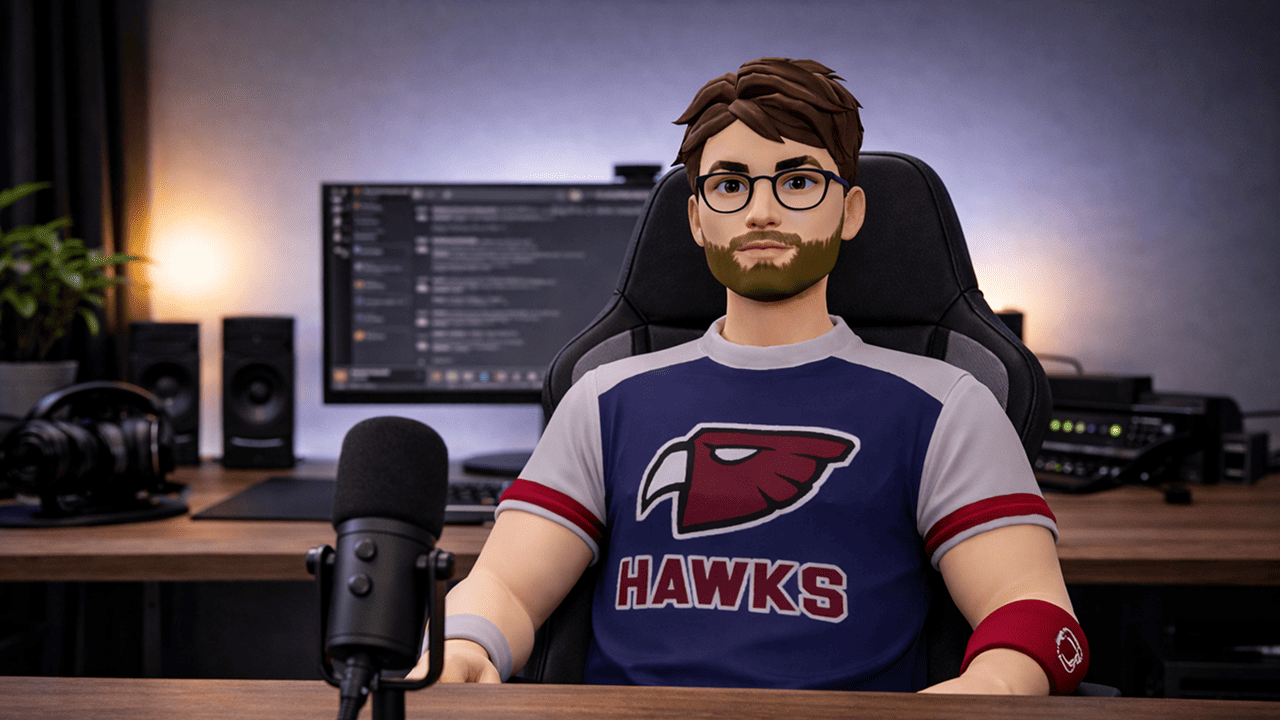
Guide3D NPC Character Creation Platforms: Building Intelligent Digital Characters in 2026
TL;DR
NPCs have outgrown fixed dialogue trees. In 2026, they communicate, adapt, and respond in real time — across games, websites, SaaS products, and virtual worlds.
The right NPC platform doesn't just create characters. It deploys living digital personalities at scale.
What Is a 3D NPC Character Creation Platform?
A system that lets you:
- •Create 3D characters (visual design)
- •Rig and animate them (movement and expressions)
- •Add intelligence (AI behavior and responses)
- •Deploy them in real-time environments
Modern platforms go beyond fixed scripts with:
- •Dynamic conversations
- •Real-time animation
- •AI-driven behavior
Why 3D NPC Platforms Are Growing Rapidly
1. Rise of Immersive Experiences
Games, metaverse platforms, and virtual environments need characters that react naturally and communicate intelligently.
2. AI Integration
NPCs now understand user input, generate responses, and adapt behavior dynamically — becoming AI-driven agents.
3. Beyond Gaming
Virtual assistants on websites, onboarding guides in SaaS, tutors in education, and support agents in customer service.
Key Features of Modern 3D NPC Platforms
Advanced Character Creation
Create from scratch or photos — realistic or stylized, with full customization.
Real-Time Animation & Expression
Facial expressions, lip sync, and body movement streamed live. Streamoji makes NPCs behave like humans, not pre-animated models.
AI-Powered Dialogue
NLP and context-aware systems let NPCs answer questions and guide users.
Avatar TTS Integration
AI-generated voice synced to facial movement for natural speech.
Cross-Platform Deployment
Web, mobile, game engines, and VR/AR from a single pipeline.
Real-Time Streaming
Live communication and interactive behavior — Streamoji streams at ~40 kbps for practical real-time NPCs.
Types of 3D NPC Platforms
1. Game-Focused
2. AI NPC Platforms
3. Real-Time Avatar Platforms (Next-Gen)
Use Cases
- 🎮Gaming: Storytelling, immersion, and player interaction.
- 🤖Virtual Assistants: Guiding users instead of basic chatbots.
- 📚Education & Training: Virtual tutors and simulated characters.
- 💻SaaS & Websites: Onboarding, engagement, and conversion.
- 🌐Metaverse: Populating environments with social, dynamic NPCs.
Challenges — and How to Solve Them
- Performance & BandwidthStreamoji optimizes streaming to ~40 kbps, making real-time NPCs practical.
- Realism vs EfficiencyBalance visual fidelity with processing cost — modern SDKs handle this out of the box.
- Integration ComplexitySDKs, APIs, and ready-to-use components replace months of custom engineering.
Why Streamoji Matters Here
Streamoji focuses on real-time interaction — not just character creation:
The result: NPCs that are live digital characters — not pre-scripted, static, or delayed.
The Verdict
3D NPC platforms combine visual design, real-time animation, AI intelligence, and interactive communication. With Streamoji enabling live avatar streaming, NPCs are evolving from scripted bots into responsive digital humans.
If you're building apps, games, or platforms in 2026, a powerful NPC creation platform isn't optional — it's the foundation of modern digital interaction.
Create your first intelligent NPC
Ship production-ready avatars in weeks — not months.
3D NPC platforms: FAQs
What is a 3D NPC platform in 2026?
A modern 3D NPC platform helps you create, animate, and deploy intelligent digital characters — combining appearance, real-time motion, AI dialogue, and delivery across games, web, or apps.
How are 2026 NPCs different from old scripted NPCs?
Older NPCs relied on fixed dialogue trees. 2026 platforms emphasize interactive AI conversation, expressive faces, and live streaming so characters feel present rather than like background props.
Why does real-time streaming matter for NPCs?
Streaming facial animation and speech keeps characters responsive in live sessions. Low-bandwidth approaches like Streamoji’s ~40 kbps streaming make NPCs practical on mobile and constrained networks.
What should I look for in an NPC character creation platform?
Look for avatar creation or import, AI dialogue, lip sync, SDK or engine support, and a path to deploy on web or mobile — not only desktop game engines.
Is Streamoji a 3D NPC platform?
Yes for teams that need live AI avatars as NPCs or agents. Streamoji covers selfie-to-avatar generation, Avatar TTS, and real-time streaming so characters can run in products users actually ship.
Can web apps use 3D NPCs?
Yes. Browser-based avatar SDKs let websites host interactive 3D characters without heavy installs, which is increasingly common for support, onboarding, and guided experiences.
Recommended for You
Continue exploring avatar platforms and AI interaction trends.
Ready Player Me Alternatives (2026): Top 3 RPM Replacement Platforms
Compare Ready Player Me alternatives and readyplayerme alternatives for apps, games, and the web. Streamoji leads for real-time streaming avatars; VRoid and Copresence fit other use cases.
Introducing Streamoji Avatars SDK: Build Real-Time 3D Avatar Experiences on the Web
Build live, interactive 3D avatars on the web with the Streamoji Avatars SDK — face tracking, ~40 kbps streaming, avatar creation APIs, and React/Unity integration.