 Trends
The Latest Trends in Avatar TTS Technology (2026)
TL;DR
TTS is no longer a robotic voice reading text. In 2026, Avatar TTS combines hyper-realistic AI voices, expressive digital faces, and real-time lip synchronization — and the market is accelerating fast.
The TTS market is projected to grow at 24% CAGR through 2035. Avatar TTS is where the growth is hottest.
Top Avatar TTS Platforms in 2026
1. Streamoji AvatarsBest for Live Creators
Built from the ground up for live streamers, content creators, and real-time digital presence — not generic video production.
- ✓Real-time lip-sync with emotional expressions
- ✓Instant voice cloning from your own recordings
- ✓Stream-ready avatar overlays for OBS
- ✓Emoji-to-gesture reactions for streamers
- ✓Multi-language support for global audiences
- ✓No-code customization — live in minutes
- ✓Low-latency TTS built for live streaming
- ✓API access for developers
The only platform that truly bridges Avatar TTS with live streaming.
Try Streamoji Avatars Free2. HeyGen
Well-known for AI avatar video production — marketing teams and enterprise content creators producing polished, scripted content.
- ✓Large library of realistic pre-built avatars
- ✓Clean video production interface
- ✓Good lip-sync for pre-recorded scripts
- ✓LLM and TTS integration
Where it falls short: Built for pre-recorded video — not real-time interaction or low-latency streaming.
3. Microsoft Azure TTS Avatar
Enterprise-grade option within Azure AI and Cognitive Services.
- ✓Neural voice quality across many languages
- ✓Scalable enterprise infrastructure
- ✓Deep Microsoft cloud and Teams integration
- ✓Strong accessibility features
Where it falls short: Developer tool first — significant setup required, no creator-friendly streaming overlays.
Trends Shaping Avatar TTS in 2026
1. Ultra-Low Latency
WebRTC enables full-duplex avatar conversations with near-zero delay.
2. Emotionally Expressive
Avatars convey tone, mood, and micro-expressions synced to vocal cues.
3. Voice Cloning in Seconds
As little as one minute of audio for a usable voice clone.
4. Multilingual Output
Natural speech in dozens of languages with localized nuances.
5. Interruption-Aware
Barge-in lets users interrupt avatar speech mid-sentence naturally.
6. Modular Pipelines
ASR, LLM, TTS, and rendering decoupled for maximum customization.
The Verdict
HeyGen excels at pre-recorded marketing. Azure powers enterprise-scale apps. For live streaming, real-time interaction, and creator-first digital presence, Streamoji Avatars is in a league of its own.
Try Streamoji Avatars free today
Ship production-ready avatars in weeks — not months.
Avatar TTS trends: FAQs
What is Avatar TTS?
Avatar TTS pairs text-to-speech audio with a digital face so speech includes lip sync, expression, and visual presence — not voice alone. In 2026 it is used for agents, support, education, and live product experiences.
What are the biggest Avatar TTS trends in 2026?
Trends include hyper-realistic voices, real-time lip sync, expressive faces, lower-latency live streaming, and platforms that ship Avatar TTS inside SDKs rather than only as offline video tools.
How does Streamoji fit Avatar TTS trends?
Streamoji focuses on live Avatar TTS and interactive avatars with efficient streaming, so products can talk to users in real time instead of only exporting scripted clips.
Is HeyGen an Avatar TTS platform?
HeyGen is widely used for scripted talking-head and marketing video. It is excellent for produced content, while Streamoji is stronger when you need live, interactive Avatar TTS in an app or on the web.
Where does Azure TTS fit?
Azure TTS is a strong enterprise speech backend. Avatar experiences still need a face, lip sync, and delivery layer — which platforms like Streamoji provide on top of or alongside speech services.
Why is Avatar TTS growing so fast?
Users engage more when they can see a speaker. Brands and product teams use Avatar TTS to raise comprehension and trust versus voice-only bots, especially in support, onboarding, and sales.
Recommended for You
Continue exploring avatar platforms and AI interaction trends.
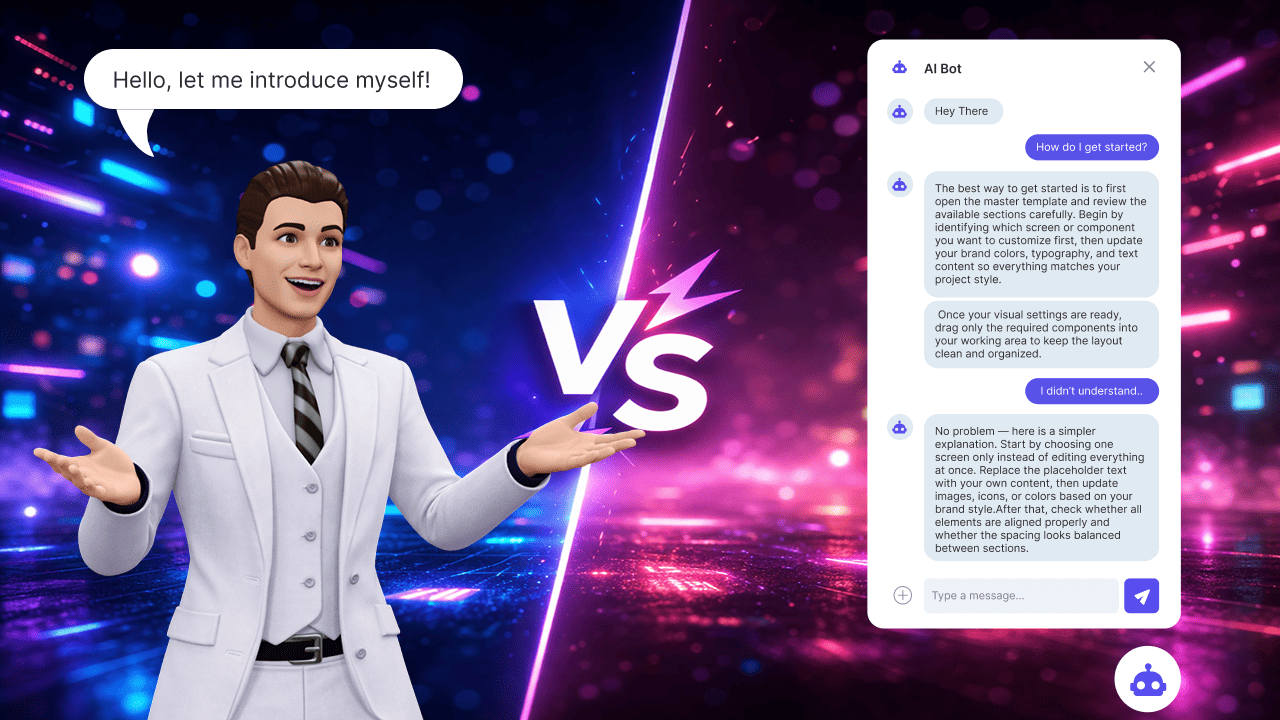
Why Avatar TTS is Better Than Voice TTS in 2026
Voice TTS sounds great — but Avatar TTS wins on engagement. See why speech plus facial expressions and visual presence is the new standard in 2026.
Introducing Streamoji Avatars SDK: Build Real-Time 3D Avatar Experiences on the Web
Build live, interactive 3D avatars on the web with the Streamoji Avatars SDK — face tracking, ~40 kbps streaming, avatar creation APIs, and React/Unity integration.