 Guide
GuideWeb-Based 3D Avatars: The Future of Digital Interaction in 2026
TL;DR
Chatbots had their moment. Video calls still eat bandwidth. In 2026, the next layer of web interaction is here: 3D avatars that live inside your browser — speaking, reacting, and guiding users in real time.
Avatars aren't decoration. They're the new interface layer between your product and your users.
What Are Web-Based 3D Avatars?
Web-based 3D avatars are interactive digital characters rendered directly in a browser using WebGL, Three.js, WebRTC, and real-time engines — no app install required.
- •Represent users in virtual environments
- •Act as AI assistants on websites and SaaS products
- •Deliver content visually with voice and animation
- •Stream facial expressions at ultra-low bandwidth
Why They're Taking Off in 2026
1. Zero installation friction
Users open a link and interact instantly — on mobile, desktop, or tablet. No app store, no plugin, no drop-off.
2. Real-time by default
Modern avatars respond instantly — lip sync, eye contact, and expression updates synced to voice in milliseconds.
3. One avatar, every surface
Deploy the same avatar across websites, SaaS dashboards, mobile browsers, and virtual environments without rebuilding.
Key Features of Modern Web Avatars
Real-Time Facial Animation
Lip sync, eye movement, expressions, and head motion — streamed efficiently even on low bandwidth.
Avatar TTS Integration
Natural speech from TTS or live voice input, synced to facial movement for conversational delivery.
AI-Powered Interaction
Avatars that answer questions, guide onboarding, and turn static pages into interactive experiences.
Lightweight Streaming
Ultra-lightweight streaming (~40 kbps) keeps performance smooth on weaker networks.
Top Use Cases
- Websites & Support:Avatar assistants that guide navigation and answer queries — improving engagement over text-only chat.
- SaaS & Onboarding:Interactive product guides that make complex software easier to understand on first visit.
- Virtual Meetings:Attend as avatars for visual presence without the bandwidth cost of full video calls.
- Education & Training:Virtual tutors that explain concepts and guide learners through e-learning platforms.
The Verdict
Web-based 3D avatars combine visual presence, real-time communication, and AI-driven interaction — a fundamentally more engaging layer than text or voice alone.
Avatar-first websites, AI digital humans, and real-time virtual communication are no longer experimental. For modern digital products in 2026, browser-native avatars are the next step in how the web works.
Ready to lead the future of web interaction?
Ship production-ready avatars in weeks — not months.
Web-based 3D avatars: FAQs
What are web-based 3D avatars?
They are interactive 3D characters that run in the browser without installs or plugins — speaking, reacting, and guiding users on websites and web apps in real time.
Why are browser avatars important in 2026?
They sit between chatbots and heavy video calls: richer than text, lighter than full webcam streams, and available instantly on any device with a modern browser.
Do web 3D avatars need downloads?
No. With WebGL/WebGPU-based SDKs, avatars load in the page. Users do not install a desktop client to meet a website AI agent or onboarding guide.
How much bandwidth do live web avatars use?
It depends on the stack. Streamoji is designed for low-bandwidth facial streaming around ~40 kbps so avatars stay usable on mobile networks without sending a full video feed.
What are common use cases for web 3D avatars?
Website AI agents, product demos, customer support, onboarding, education, and live meetings where a face improves clarity without requiring a human on camera.
How do I add 3D avatars to a website?
Use an avatar SDK such as Streamoji’s to create or load an avatar, connect speech or tracking, and embed the experience in your web stack (for example React).
Recommended for You
Continue exploring avatar platforms and AI interaction trends.
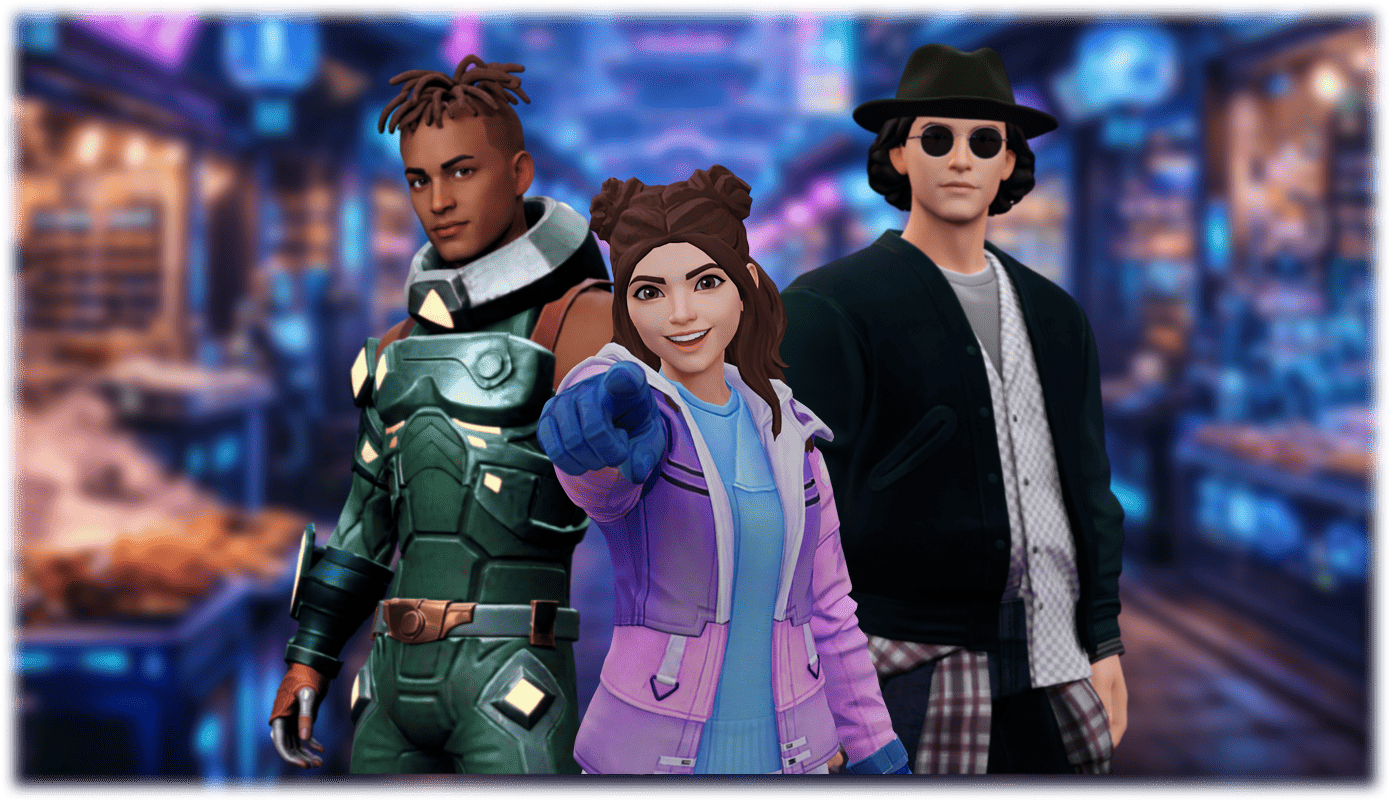
Introducing Streamoji Avatars SDK: Build Real-Time 3D Avatar Experiences on the Web
Build live, interactive 3D avatars on the web with the Streamoji Avatars SDK — face tracking, ~40 kbps streaming, avatar creation APIs, and React/Unity integration.
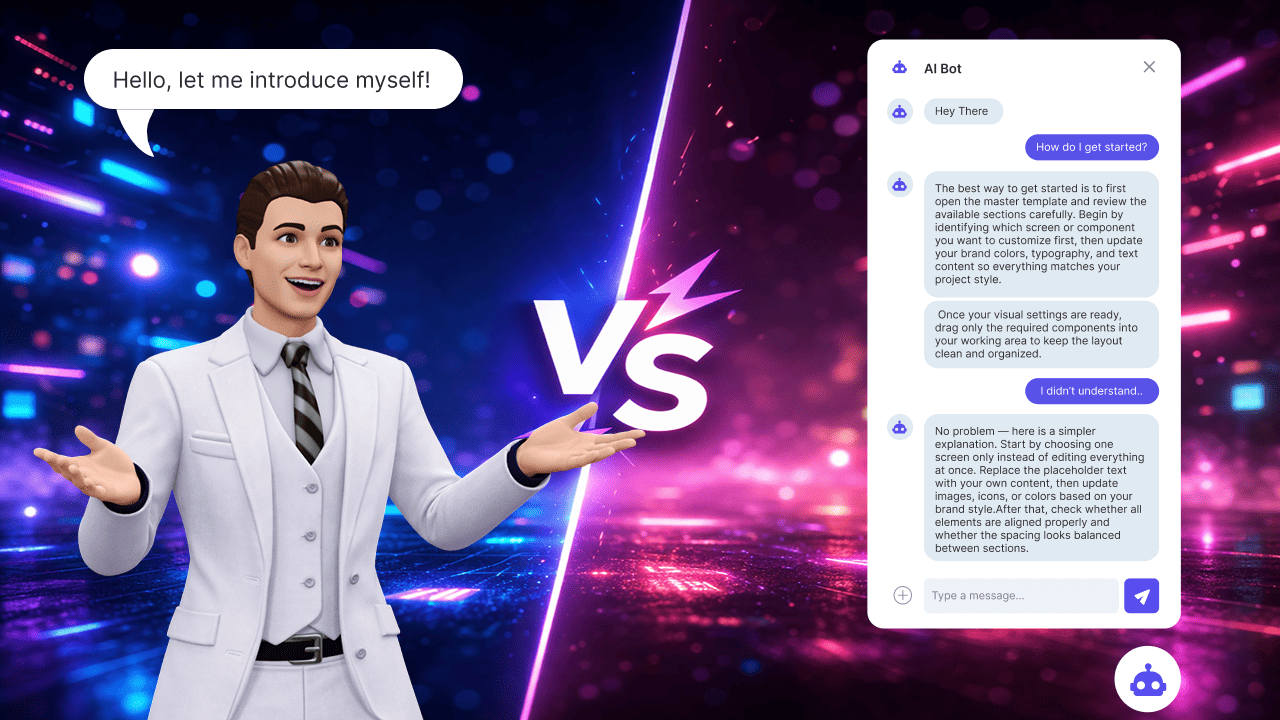
Why Avatar TTS is Better Than Voice TTS in 2026
Voice TTS sounds great — but Avatar TTS wins on engagement. See why speech plus facial expressions and visual presence is the new standard in 2026.